

Sources for all statistics and guidance are linked at the end of this guide.
Introduction
Language anxiety is one of the most persistent barriers to international travel — and it shapes behavior in ways most travelers don’t fully recognize. Research from Preply found that 45% of Americans would travel more if they spoke a foreign language, and 32% deliberately choose destinations where English is widely spoken to avoid communication difficulties-37-41.
The avoidance has real costs. Nearly half of travelers (44%) say language barriers discourage them from considering certain trips altogether -39. More than one in four Americans feel intimidated speaking a foreign language while traveling, and 17% admit to eating fast food abroad specifically to avoid the awkwardness of ordering in another language-37.
But here’s what the research also shows: travelers who push past the hesitation consistently report better experiences. Over half of Americans who learn some language before a trip say it helps with navigation, and nearly half credit it with smoother logistics and richer cultural experiences-41.
This guide covers practical strategies for communicating across language barriers — from pre-trip preparation and technology tools to gestural communication techniques and the cultural dimensions that make interactions work. Sources are cited throughout so you can verify anything here and go deeper where you need to.
Pre-Trip Preparation — Building Your Language Foundation
The gap between intention and action is striking. 80% of travelers believe it’s important to learn a few local phrases before traveling abroad, but only 58% actually do so -37. Of those who do prepare, 40% cram phrases at the airport or on the plane, while only a quarter take the time to prepare months in advance-41.
The Nine Words That Matter Most
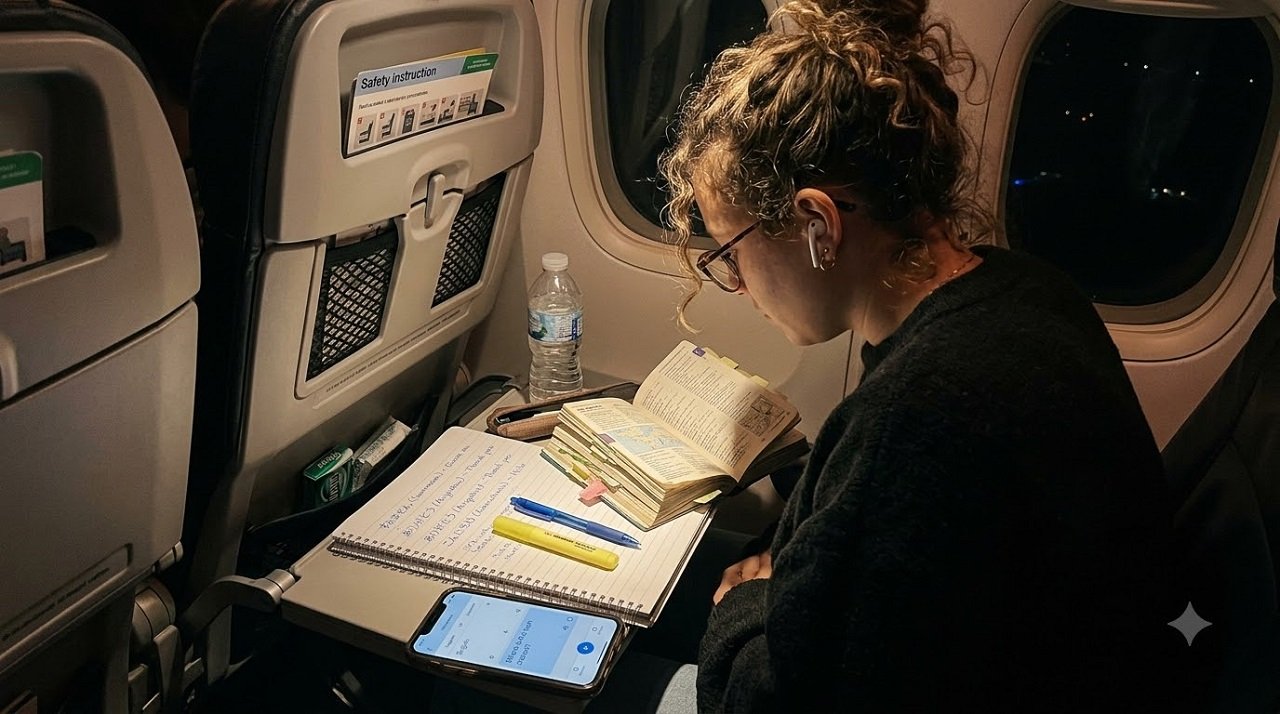
You don’t need to learn a language to travel safely and comfortably in a foreign country. You need a small, strategic vocabulary. Based on published traveler guidance, the highest-value words and phrases are:
- Please and thank you — these open doors and signal respect
- Yes and no — foundational for any interaction
- Hello and goodbye — the minimum for polite interaction
- Help — critical in emergencies
- Where is — paired with pointing, this handles most navigation questions
- Toilet — practical and frequently needed-
Learning these in the local language before departure takes an afternoon. Using them consistently changes how you are received.
Moving Beyond Survival Phrases
Once you have the basics, a few additional categories expand what you can handle independently:
- Numbers — for prices, times, and addresses
- Food and dietary phrases — “I’m vegetarian,” “no meat,” “allergic to [item]”
- Emergency phrases — “I need a doctor,” “call the police,” “I’m lost”
- Polite requests — “Can you help me?”, “Do you speak English?”, “I don’t understand”
Pimsleur’s travel phrase guides organize phrases by scenario — dining, transportation, emergencies — which is more effective than learning vocabulary without context-.
Preparation Methods That Work
Language learning platforms and travel guides recommend several approaches that fit different learning styles and time constraints:
- Audio-based learning during commutes — Podcasts and language apps turn dead time into preparation. Coffee Break French and Duolingo’s short stories are specifically designed for this-.
- Language exchange apps — Tandem and HelloTalk connect you with native speakers who want to learn your language in return. This provides real conversation practice before you leave-.
- Immersion through media — Watching shows or listening to music in the target language builds listening comprehension and pronunciation familiarity. Research on language learning consistently shows that passive immersion before active practice improves retention.
- Phrasebook creation — Writing down your own scenario-specific phrases in a notebook serves double duty: it reinforces memory and becomes a communication tool you can show to locals-.
On-the-Ground Communication Strategies
Gestural Communication — The Underrated Skill

When spoken language fails, gestures work. Research on cross-cultural communication consistently finds that a significant portion of meaning is conveyed through non-verbal cues — facial expressions, hand movements, body positioning, and eye contact-.
ASL interpreter Anna Mindess, writing for Afar, describes adopting techniques from the Deaf community — “the real champions at cross-cultural communication” — in her own travels. Her approach: start with the subject of your question rather than a full sentence, use gestures for the basics, and draw or act out details when necessary-47.
Practical gestural techniques:
- Start with the subject, not the sentence. Instead of asking “How much does this cost?” in English, point at the item and rub your thumb and fingers together with a questioning expression. Mindess describes this method as successful because it “employs an alternative grammatical structure” — subject first, then detail-47.
- Use objects as props. Pull out a bill with a questioning shrug to ask about price. Show your phone with a map and point. Hold up a photo of a dish you want to order.
- Point and confirm. Pointing at a menu item and raising your eyebrows works across language boundaries. The response — a nod or shake — gives you the information you need.
- Draw what you can’t say. A notebook is not just for writing down phrases. Sketching a simple diagram — a bus, a building, a direction — communicates when words don’t.
One key caution: gestures are not universal. The same hand movement can mean different things in different cultures. Research on tourism communication notes that “inconsistencies between verbal language and non-verbal cues such as gestures, facial expressions, and body movements” frequently lead to miscommunication-. The safe approach is to use simple, universally readable gestures — pointing, showing numbers on fingers, nodding — rather than complex hand signals that carry cultural meaning you may not know.
Simplifying Your Spoken Communication
When you do speak, how you speak matters as much as what you say.
Use short, simple sentences. Complex grammatical structures create confusion. “Where is the train station?” works better than “Could you possibly tell me how to get to the train station?”
Speak slowly and clearly. Not louder — slower. The instinct to raise volume when not understood is universal and universally unhelpful. Speaking slowly and articulating clearly “can ultimately save time in having to repeat what has already been said”-.
Avoid idioms, slang, and jargon. Expressions like “hit the road,” “piece of cake,” or “under the weather” translate poorly or not at all. Industry-specific terms are equally problematic.
Ask yes/no questions. Open-ended questions require vocabulary on both sides. Yes/no questions reduce the response to a head nod or shake, which works across every language. “Is this the right bus?” is easier to answer than “Which bus goes to the city center?”-.
Be patient and polite. When someone is trying to help you communicate, showing gratitude — even just a smile and “thank you” in their language — keeps the interaction positive. The Allianz travel guide specifically notes that learning local greetings and courteous phrases “opens doors”-.
Writing It Down
When speech fails, writing often works. Carry a small notebook or use your phone’s notes app.
Numbers and addresses are especially well-suited to writing. “Write down numbers or key them into a calculator or phone for display to the other party,” advises the eHalal travel guide. This eliminates pronunciation barriers entirely for the most important information-.
Use your phone as a display screen. Type what you need and show the screen. This works for addresses to taxi drivers, dietary requirements to restaurant staff, and any situation where showing is easier than saying.
Technology Tools for Communication
Translation Apps — Use Them Strategically, Not Desperately
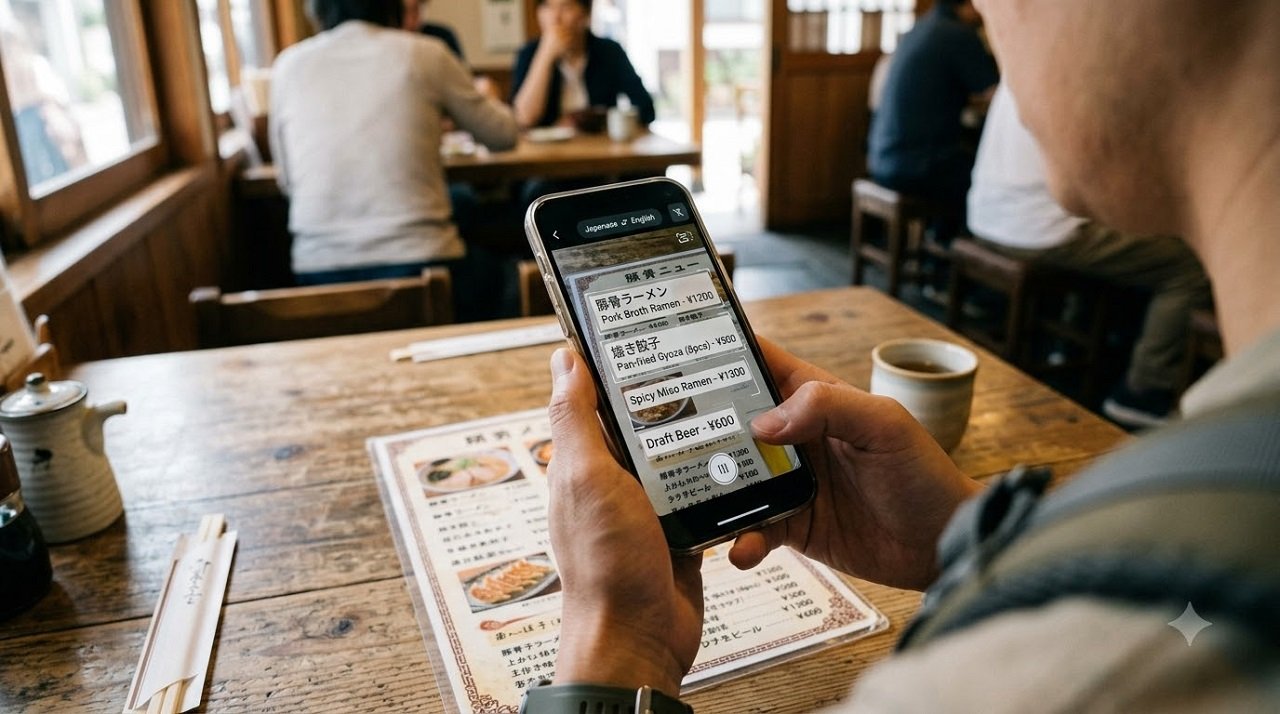
Translation apps have transformed travel communication, but they work best as supplements to human interaction rather than replacements for it.
What translation apps do well:
- Camera translation — point your phone at a menu, sign, or document and get instant text translation. This is the single most useful feature for travelers. Apps like Google Translate, Kuli Kuli, and FotoTrans support this across 50–100+ languages-.
- Two-way voice conversation — apps now offer real-time conversational translation, allowing you to speak into your phone and have the app speak the translation aloud. This works well for simple transactions.
- Offline capability — the most critical feature for travel. iTranslate, Lingvanex, and SeekTrans all offer offline modes with downloadable language packs covering 40+ languages-.
What translation apps do poorly:
- Context and nuance — literal translation misses tone, politeness levels, and cultural meaning.
- Reliability in noisy environments — voice translation struggles in markets, stations, and busy streets.
- Human connection — Mindess notes that being “overly reliant” on translation apps “removes the human element of communication” and can create misunderstandings-47.
The practical approach: Use camera translation for reading. Use offline packs when you don’t have data. Use voice translation for simple transactions. But when a real conversation is needed, combine app translation with gestures, patience, and willingness to work through confusion.
Essential Digital Preparation
Before you leave, prepare these digital tools:
- Download offline language packs for your destination language in at least one translation app.
- Download offline maps — Google Maps allows region downloads; Maps.me works entirely offline.
- Save key phrases to your notes app — a digital phrasebook you can access without scrolling through menus.
- Test translation features before you go — practice camera translation on a foreign-language menu or book cover so you know how it works before you need it.
Cultural Dimensions of Communication
Language as a Sign of Respect

Learning even minimal phrases sends a message that goes beyond the words themselves. As USA Today’s travel column puts it, “one of the greatest gestures of respect we can offer is to learn, at the very least, the basics of the language spoken where we’re going”-.
The same principle appears across travel guidance: learning local greetings and using them before switching to English shows that you see the person in front of you, not just the transaction-. This matters more than fluency. A traveler who stumbles through “hello” and “thank you” in the local language will often receive more warmth and patience than one who speaks fluent English loudly and assumes it will be understood.
Non-Verbal Communication Across Cultures
The 7-38-55 rule — that 7% of meaning comes from words, 38% from tone, and 55% from body language — is frequently cited in communication research, though its application varies by context. What is clear from cross-cultural communication studies is that non-verbal cues carry significant weight, and their meaning shifts across cultures.
Research on tourism communication in Indonesia found that “language gaps frequently occur due to limited English proficiency, unclear expressions, and inconsistencies between verbal language and non-verbal cues such as gestures, facial expressions, and body movements,” leading to “miscommunication, confusion, or reduced tourist satisfaction”-.
Practical implications:
- Eye contact — varies from direct (US, Northern Europe) to indirect (many Asian and Middle Eastern cultures). Observe how locals interact before assuming your norm applies.
- Personal space — distances considered comfortable vary significantly. Watch and adjust.
- Physical contact — handshakes, hugs, and touching are not universal. In many cultures, touching between genders has specific rules. Observe first.
- Head movements — a nod doesn’t mean “yes” everywhere. In parts of South Asia, a side-to-side head wobble can mean agreement, acknowledgment, or uncertainty depending on context.
The safest approach is observation before action. Watch how people interact with each other before you initiate. Match what you see rather than relying on your default communication style.
The Value of Learning Pronunciation
Basic pronunciation preparation pays disproportionate dividends. Even a few words spoken with reasonable pronunciation are more likely to be understood than a larger vocabulary spoken in a way that doesn’t match local phonetics.
Focus on:
- Vowels — these vary most between languages and are the primary reason spoken words aren’t recognized.
- Stress and tone — in tonal languages (Mandarin, Thai, Vietnamese, and others), using the wrong tone can change meaning entirely.
- Greetings and thanks — the phrases you’ll use most frequently deserve the most practice.
Online pronunciation guides, language apps with speech recognition, and language exchange partners can all help. Even watching a YouTube video of someone saying the phrases you need will improve your delivery.
When Things Go Wrong — Handling Difficult Situations
Medical and Emergency Situations
Language barriers become most serious in emergencies. Preparation for these moments is non-negotiable.
Before you travel:
- Save emergency phrases in the local language: “I need a doctor,” “I’m allergic to,” “call an ambulance,” “I’m lost.”
- Carry a medical information card in the local language stating any allergies, medications, and conditions. The Times of India travel guide specifically recommends this for managing communication during medical situations-.
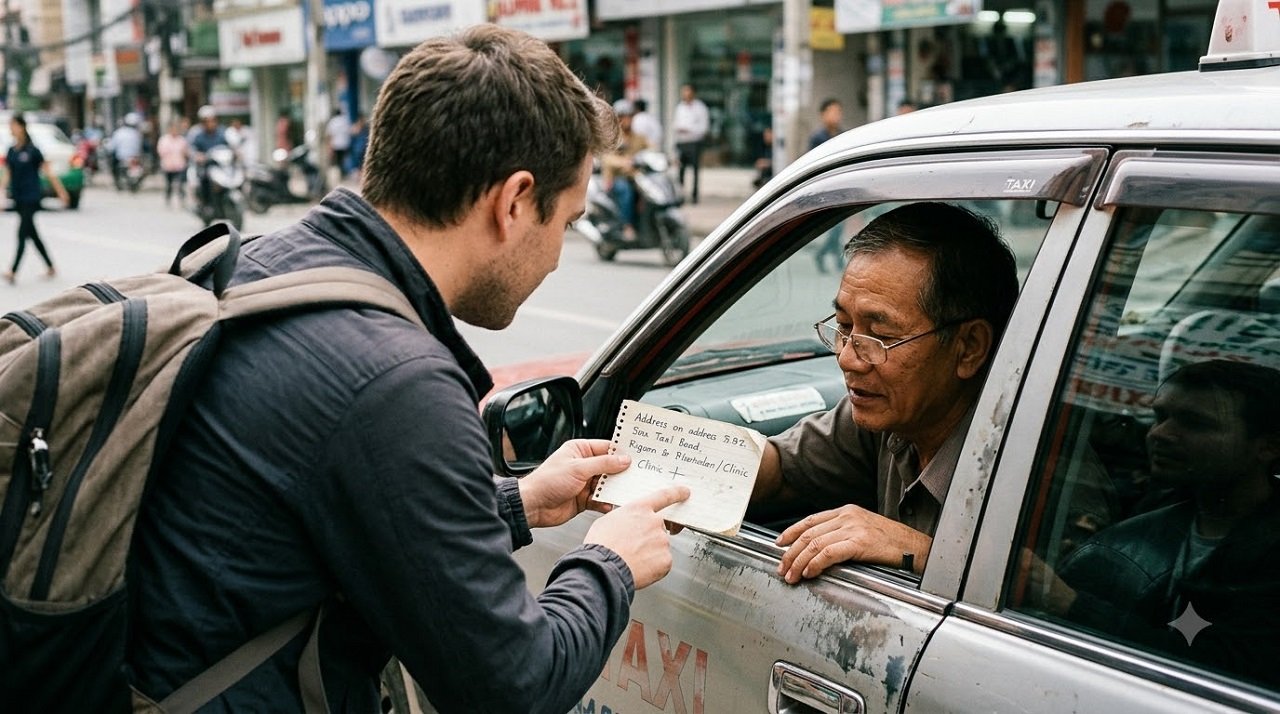
- Save your accommodation address in the local language — showing this to a taxi driver is easier than saying it.
- Know the local emergency number — 112 works across the EU; 911 in the US and Canada; 999 in the UK and several other countries.
In the moment:
- Go to a pharmacy first for minor issues. Pharmacists in most countries are trained to handle common ailments and often have more English than you’d expect.
- Use translation apps for written communication — typing symptoms or showing a translated note is clearer than trying to speak.
- Find a younger person. In most countries, younger people are more likely to speak some English. This isn’t a guarantee, but it’s a useful heuristic.
Getting Lost
Getting lost is a common consequence of language barriers. Hostelworld’s research found that 21% of UK travelers got lost because they couldn’t speak the language, and 9% got on the wrong train, plane, or other form of transport -43.
Strategies:
- Screenshot or save your destination in the local language before you leave.
- Use offline maps — pins and routes work without data.
- Show your phone screen to taxi drivers or passersby rather than trying to pronounce an address.
- Ask at your accommodation for written directions to major destinations. Front desk staff can write addresses in the local script, which you can show to drivers.
Understanding and Being Understood
When an interaction isn’t working, try changing one variable at a time:
- Slow down — if you’re already speaking slowly, slow down more.
- Simplify — cut your sentence to its essential words.
- Change modality — if speaking isn’t working, write. If writing isn’t working, point or draw.
- Change person — if one person doesn’t understand, politely ask someone else. Proficiency varies widely.
- Accept partial understanding — you don’t always need full comprehension. Getting the main point is often enough.
Building Language Confidence Before You Go
The Confidence-Skill Relationship
Language anxiety doesn’t disappear with vocabulary alone. Confidence comes from practice, and practice can happen before you travel.
Low-stakes practice methods:
- Talk to yourself in the target language — narrate what you’re doing, describe what you see. This builds comfort with producing sounds.
- Use language exchange apps — Tandem and HelloTalk connect you with native speakers in a low-pressure text or voice environment-.
- Join local language meetups — most cities have conversation groups for popular languages. These provide real speaking practice with no travel required.
- Practice ordering in restaurants — even a few phrases at an ethnic restaurant in your own city builds familiarity.
Managing the Fear of Mistakes
The fear of making mistakes — mispronouncing, using the wrong word, causing offense — is a major barrier. The reality is that most people are forgiving of language learners who are trying. The effort matters more than accuracy.
A useful reframe: mistakes are data. Each one tells you something about pronunciation or usage you can adjust. They are not failures; they are the mechanism through which learning happens. Research on language anxiety suggests that the emotional cost of avoidance (missed experiences, limited interaction) is higher than the cost of occasional embarrassment.
Conclusion
Language barriers are real, but they are manageable. The travelers who navigate them best are not necessarily the ones with the most vocabulary — they are the ones who prepare strategically, communicate creatively, and approach interactions with patience and respect.
Start with the nine essential words. Learn basic greetings in your destination language. Download offline translation tools. Practice gestural communication. Observe before you assume your communication norms apply. And accept that misunderstandings will happen — how you handle them matters more than whether they occur.
The research is clear: travelers who push past language anxiety report richer experiences, better navigation, and smoother logistics-41. The barrier is not language. It’s the hesitation to try.
Frequently Asked Questions
Is it possible to travel in a country where I don’t speak the language?
Yes. Millions of people travel to destinations where they don’t speak the local language every year. Key strategies include learning basic phrases, using translation apps with offline capability, using gestures and visual communication, and preparing key information in written form.
What are the most important words to learn before traveling abroad?
The highest-value phrases are please, thank you, yes, no, hello, goodbye, help, where is, and toilet. Learning these in the local language covers most essential interactions.
Are translation apps reliable enough for travel?
Translation apps work well for reading signs and menus (camera translation) and for simple voice transactions. They are less reliable for nuanced conversations, noisy environments, and situations requiring cultural context. Use them as a supplement to, not a replacement for, human communication.
How do I prepare for a language barrier before my trip?
Download offline language packs in a translation app, learn basic phrases in the local language, save emergency phrases, prepare a medical information card in the local language, and practice basic pronunciation. Even an afternoon of preparation makes a significant difference.
What should I do if I get lost and can’t communicate?
Show your phone screen with your destination to locals, use offline maps, ask for written directions at your accommodation, and use translation apps to communicate your needs. Having your accommodation address written in the local script is particularly helpful for taxi drivers.
Sources
- Preply / HITEC. How Language Anxiety Is Influencing Travel Behavior in 2026. Published July 29, 2026. Preply research: 45% of Americans would travel more if they spoke a foreign language; 80% believe it’s important to learn local phrases but only 58% do; 17% eat fast food abroad to avoid language mistakes; 32% choose destinations where English is widely spoken. https://www.hftp.org/industry-news/how-language-anxiety-is-influencing-travel-behavior-in-2026-and-what-it-means-for-hotels
- Zurich Insurance Group. Lost in translation: How language quietly shapes where we travel. Published June 30, 2026. One in three travelers say language influences destination choice; 44% say language barriers discourage considering certain trips. https://www.zurich.com/insights/travel/lost-in-translation
- Time Out USA. Here’s how many Americans have never left the U.S. Published September 8, 2025. Preply survey of 1,500+ US adults: 42% have never been abroad; 32% choose English-speaking destinations; 17% eat American fast food abroad; China (37%), Japan (34%), South Korea (23%), Thailand (13%) considered most intimidating. https://www.timeout.com/usa/news/heres-how-many-americans-have-never-left-the-u-s-and-were-shocked-by-the-percentage-090825
- Afar. 4 Ways to Overcome Language Barriers When Traveling. By Anna Mindess, ASL interpreter. Published July 2, 2024. https://www.afar.com/magazine/tips-from-a-sign-language-interpreter-for-overcoming-language-barriers
- Hostelworld Group. Language Barriers Stop Five Million UK Adults From Travelling Abroad. Research using Google Surveys of 8,000+ people across six countries. 4.7 million UK adults deterred by language barriers; 21% got lost; 9% got on wrong transport. https://www.hostelworldgroup.com/~/media/Files/H/Hostelworld-v2/press-release/LANGUAGE%20BARRIERS%20STOP%20FIVE%20MILLION%20UK%20ADULTS%20FROM%20TRAVELLING%20ABROAD.pdf
- Allianz Global Assistance. Overcoming Language Barriers. Published November 17, 2025. Practical tips on non-verbal communication, simple sentences, and patience. https://www.allianztravelinsurance.ca/travel-insurance/resources/travel-tips/overcoming-language-barriers
- USA Today. The most respectful thing you can do when traveling abroad. Published October 26, 2025. Learning basic phrases as a sign of respect. https://www.usatoday.com/story/travel/columnist/2025/10/26/respectful-travel-language-basics/
- The Times of India. Don’t let language ruin your vacation: Must-know travel tips. Published July 10, 2025. https://timesofindia.indiatimes.com/life-style/travel/dont-let-language-ruin-your-vacation-must-know-travel-tips
- eHalal. Talk — Coping without knowing the local language. Published November 26, 2024. Practical strategies for travel communication. https://ehalal.io
- Trafalgar. How to Overcome Language Barriers. Published March 23, 2016. https://www.trafalgar.com/real-word/how-overcome-language-barriers/
- European Youth Portal. Learn a language while travelling. Published May 14, 2025. Language learning methods during travel. https://youth.europa.eu