
All statistics, scam rankings, and destination data in this guide reflect research published in 2026. Scam methods evolve quickly, and hotspot rankings shift as awareness and enforcement change.
If you are reading this in a later year, treat the specific examples and rankings as patterns to recognize rather than current conditions. The core prevention strategies remain effective regardless of the year.
Check current advisories before you travel: Smartraveller (Australia) · US State Dept · UK FCDO. All sources used in this guide are listed at the end.
Introduction
Travel scams are not rare. They are not limited to obvious tourist traps. And they are getting harder to spot.
McAfee research from 2026 found that 1 in 3 travelers have encountered a travel scam, and 41% of those who encountered one lost money. Nearly half of those who lost money lost over $500. A separate UK survey found that 34% of travelers have noticed more scams on social media in the past year, and 70% distrust promotional travel emails because of scam concerns.-1-5
The pressure to book quickly makes it worse. 90% of travelers feel pressure to book fast, and 33% admit they have ignored warning signs to avoid missing a deal. Scammers exploit exactly that urgency.
If you are new to travel, start with our essential travel tips for novice explorers before reading further — it covers the preparation basics this guide assumes. If you are traveling alone, the risk profile changes and our guide to safe solo travel covers strategies specific to that situation.This guide covers the scams you are most likely to encounter — before you book and while you travel — and the specific strategies that protect you. No scare tactics. No vague advice. Just what the scams look like and how to avoid them.
Booking Scams — Before You Leave
Most travel scams now start before you arrive. Fake listings, cloned websites, and phishing messages target travelers during the planning phase, when excitement is high and attention is divided.
Fake Accommodation Listings
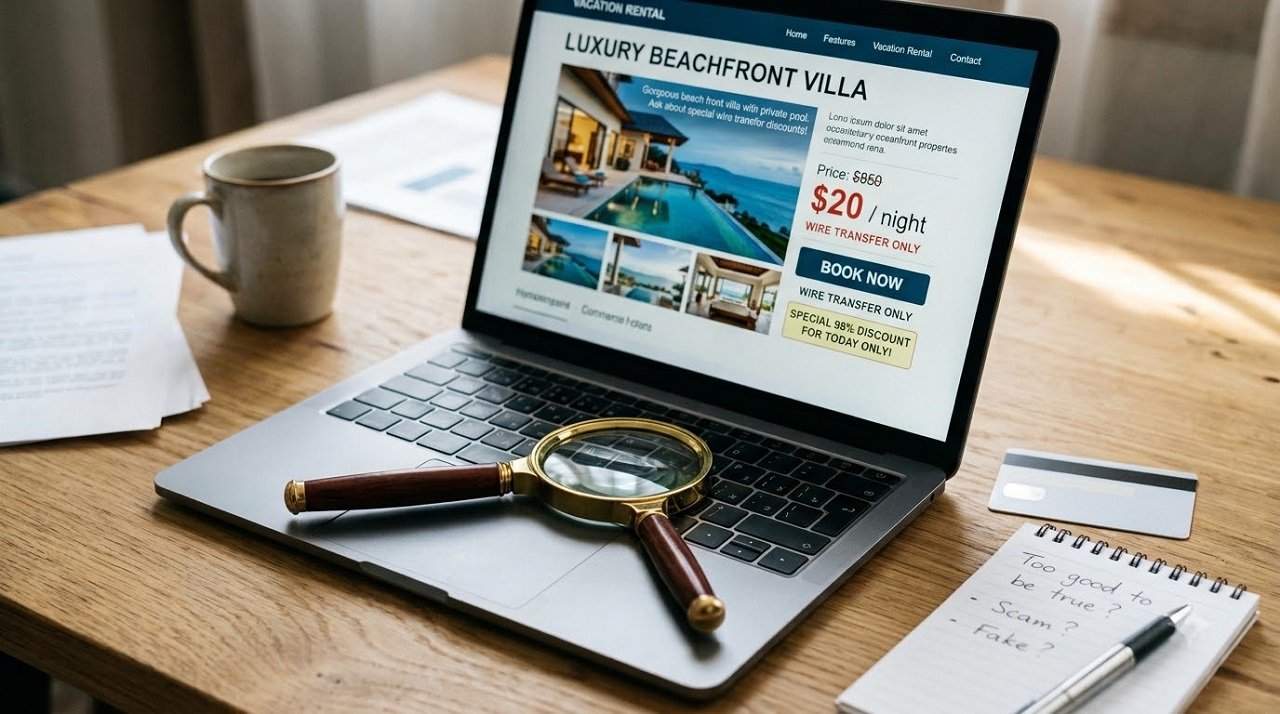
This is one of the oldest scams and still one of the most effective. Scammers steal photos and descriptions from legitimate listings — or use AI to generate convincing ones — and advertise at attractive prices. They then push you to pay outside the booking platform by bank transfer or cryptocurrency.-1
Warning signs:
- The price is significantly lower than similar properties in the area.
- The host asks to continue the conversation outside the booking platform.
- You are pressured to pay immediately.
- Payment is requested by bank transfer, cryptocurrency, or a payment app rather than the platform.
What to do: Book through established platforms that offer payment protection. Before paying, run a reverse image search on the property photos and check the address on a map to confirm it exists. Never wire money directly to a property owner you have not verified.-1
Fake Flight Deals and Cloned Websites
Scammers advertise heavily discounted tickets through fake agencies, social media ads, or cloned airline websites. Victims either receive fake tickets or discover no reservation exists when they arrive at the airport.
McAfee found that Tripadvisor was impersonated at roughly three times the rate of other major platforms, including Kayak, Expedia, and Booking.com.-5
Travelers booking flights for expensive destinations are especially vulnerable. If you are planning a high-cost trip, our Japan trip cost breakdown shows what real pricing looks like — which makes a suspiciously cheap deal easier to recognize.What to do: Verify airline promotions on the airline’s official website. Do not follow links from social media posts or unsolicited messages. Type the airline’s URL directly into your browser rather than clicking through an ad.-1
Phishing Emails and Messages
Scammers send convincing emails pretending to be airlines or hotels. Common hooks include: “Your booking needs confirmation,” “Your payment failed,” “Your flight schedule changed,” or “You must verify your passport information.” These emails contain links to fake login or payment pages designed to steal credentials.
What to do: Never click links in unexpected travel emails. Open a new browser tab and go directly to the airline or hotel website to check your booking status. If the issue is real, it will appear in your account.
Communication-based scams often exploit language gaps, especially in countries where you do not speak the local language. Our guide to navigating language barriers covers how to recognize official communications and verify what is being asked of you.Social Media Travel Deals
Facebook, Instagram, and TikTok have become major channels for fake villas, cruises, and vacation packages. The content looks professional because scammers use stolen or AI-generated imagery.
What to do: If you find a deal through social media, research the company independently before paying. Look for a physical address, a working customer service number, and reviews outside the platform. If the company exists only on social media, do not book.-1
On-the-Ground Scams — While You Travel
Once you arrive, scams become more physical and more immediate. The common thread is distraction: someone creates a moment of confusion, and your attention goes where they want it.
Taxi and Transport Overcharging
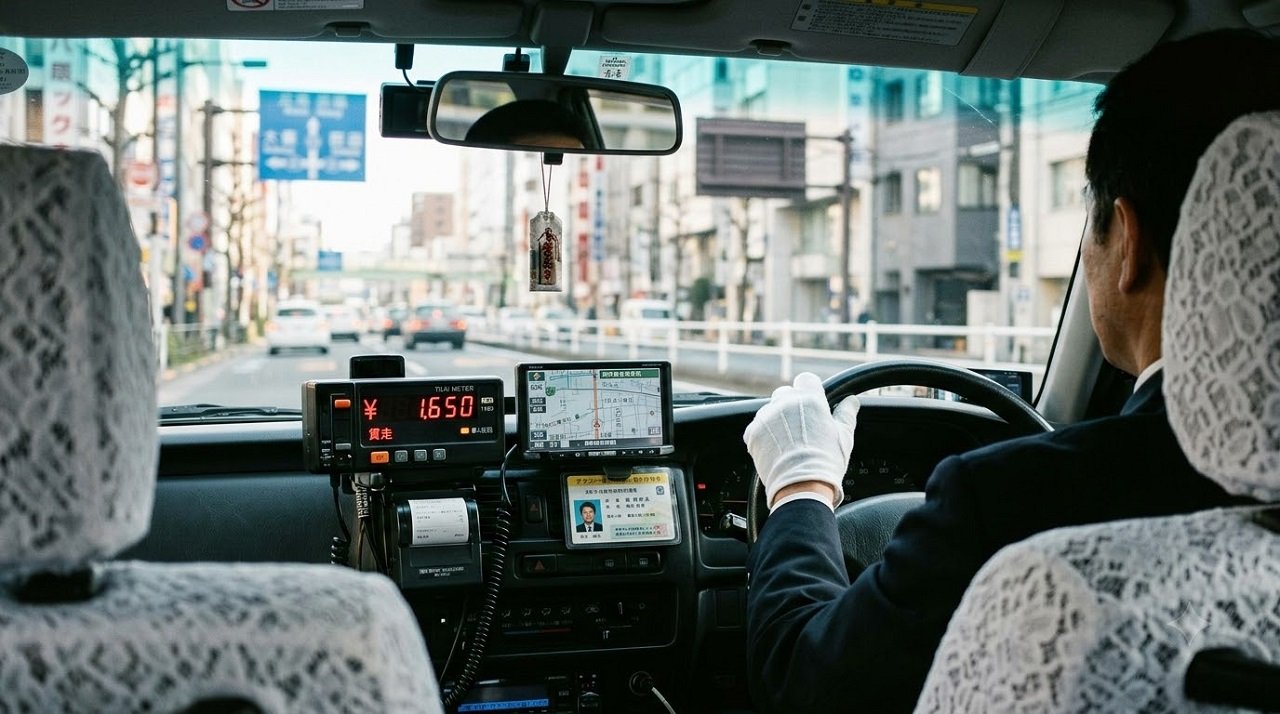
Taxi scams are among the most frequently reported by travelers. Common variations include refusing to use the meter, taking deliberately long routes, claiming the agreed price was per person rather than per trip, and handing back incorrect change.
A 2026 analysis of taxi scam destinations ranked Turkey highest, followed by Thailand and Vietnam.
What to do: Use licensed taxis or ride-hailing apps where available. Agree on a price before getting in, or confirm the meter is running. Avoid using large bills for small fares. If you suspect overcharging, ask for a receipt and note the taxi number.-20
In Southeast Asia, transport scams are especially common. If you are backpacking Southeast Asia on a budget, budget for licensed transport rather than tuk-tuks or unmetered taxis — the upfront cost difference is smaller than the risk of being overcharged or redirected.The “Free” Tour or Gift Scam
In Bangkok, tuk-tuk drivers offer “free” city tours that end at gem shops where you are pressured to buy overpriced stones. The “Grand Palace is closed today” line is used to redirect you to a shop or a different tour.-25
In Paris, the gold ring scam involves someone “finding” a ring near you and offering it as a gift, then demanding payment. The bracelet scam at Sacré-Cœur works similarly — a bracelet is tied to your wrist and money is demanded.
What to do: Decline unsolicited “free” gifts or tours. If someone offers you something for free, assume there is a catch. Walk away politely but firmly.
ATM Skimming and Card Fraud
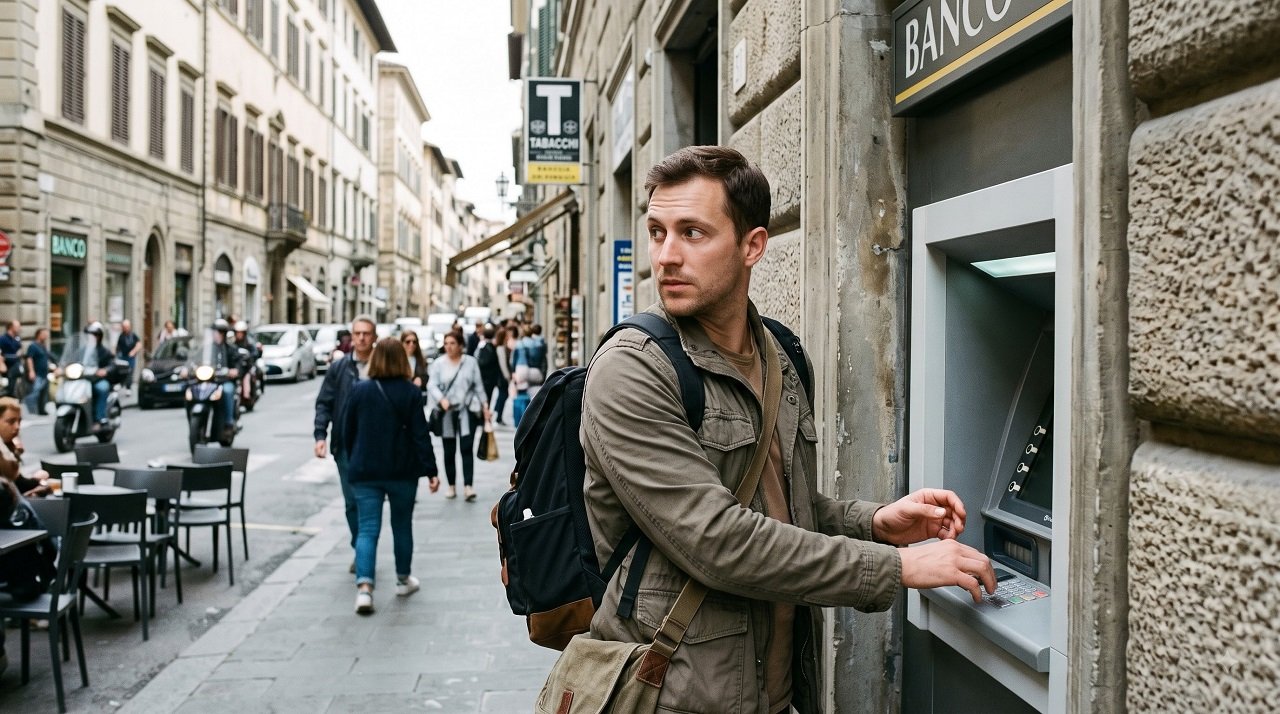
Card skimming at ATMs remains common in tourist areas. Scammers attach devices that read your card details or use hidden cameras to capture your PIN. In some cases, “helpful” strangers offer assistance and then swap your card.
What to do: Use ATMs inside banks or secure businesses rather than street-side machines. Shield your PIN when entering it. If an ATM looks damaged or loose, do not use it. Carry a backup card stored separately from your primary card.
Pickpocketing and Distraction Theft
Pickpocketing is not a “scam” in the traditional sense, but it follows the same logic: create a distraction and take advantage. Common tactics include bumping into you, spilling something on you, or staging a commotion nearby while an accomplice targets your bag.
A 2026 ranking of pickpocket and scam hotspots placed Bangkok first, followed by Paris, Prague, Shanghai, and Agra. Specific landmarks also rank high, including Bangkok’s Grand Palace, Sacré-Cœur in Paris, and Nanjing Road in Shanghai.
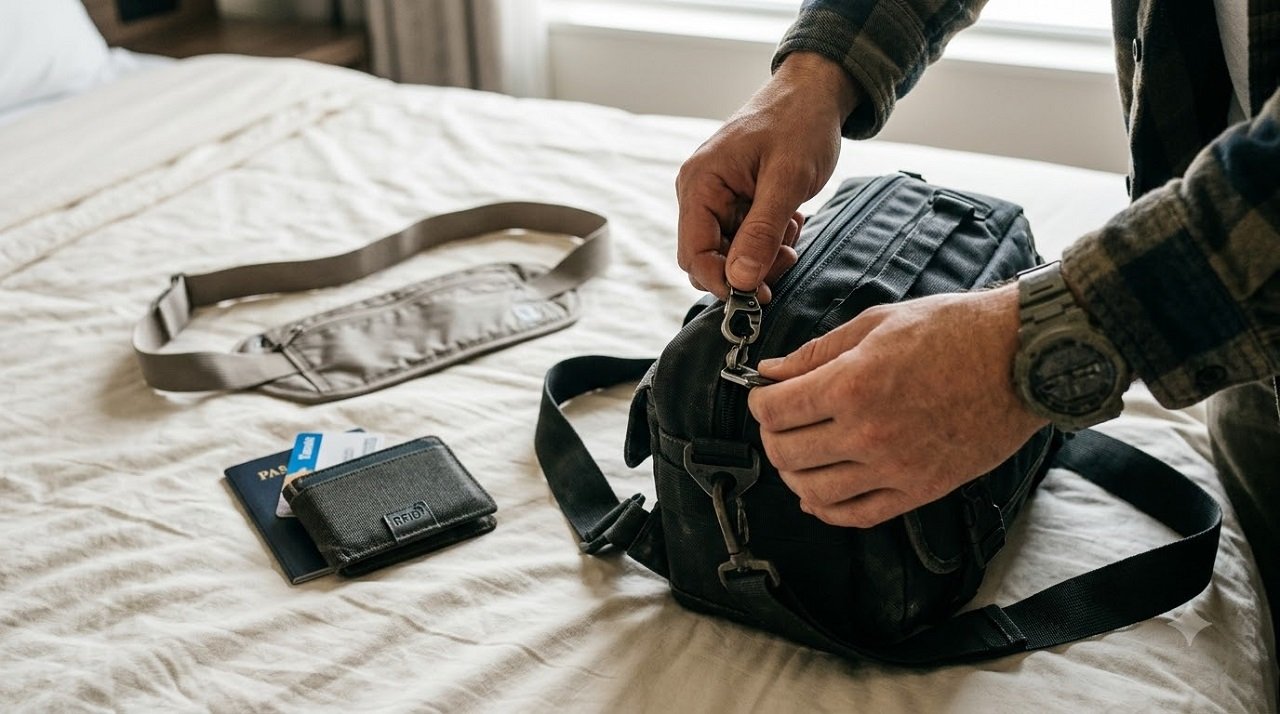
What to do: Keep bags zipped and in front of you. Carry wallets and phones in internal zipped pockets, not back pockets. Avoid wearing flashy jewellery or watches. Stay alert in crowded transport, landmarks, and festivals.
Currency Exchange and Payment Scams
“0% commission” currency exchange booths often hide terrible exchange rates. In Prague, restaurant menus sometimes show higher prices for tourists than for locals. In Buenos Aires, fake peso bills are commonly passed as change.-25
What to do: Use bank ATMs rather than exchange booths when possible. Check the exchange rate before you exchange. Ask for a menu with prices before ordering. Count your change carefully, especially in busy markets or nightlife areas.
If you are still in the planning phase and worried about total trip cost, our guide to what a one-week Japan trip actually costs shows which categories are genuinely expensive and which are not — a useful reference point for spotting fake deals.Destination-Specific Scam Patterns
Scams vary by region. Knowing what is common where you are going is more useful than memorizing a generic list.
Asia and Southeast Asia
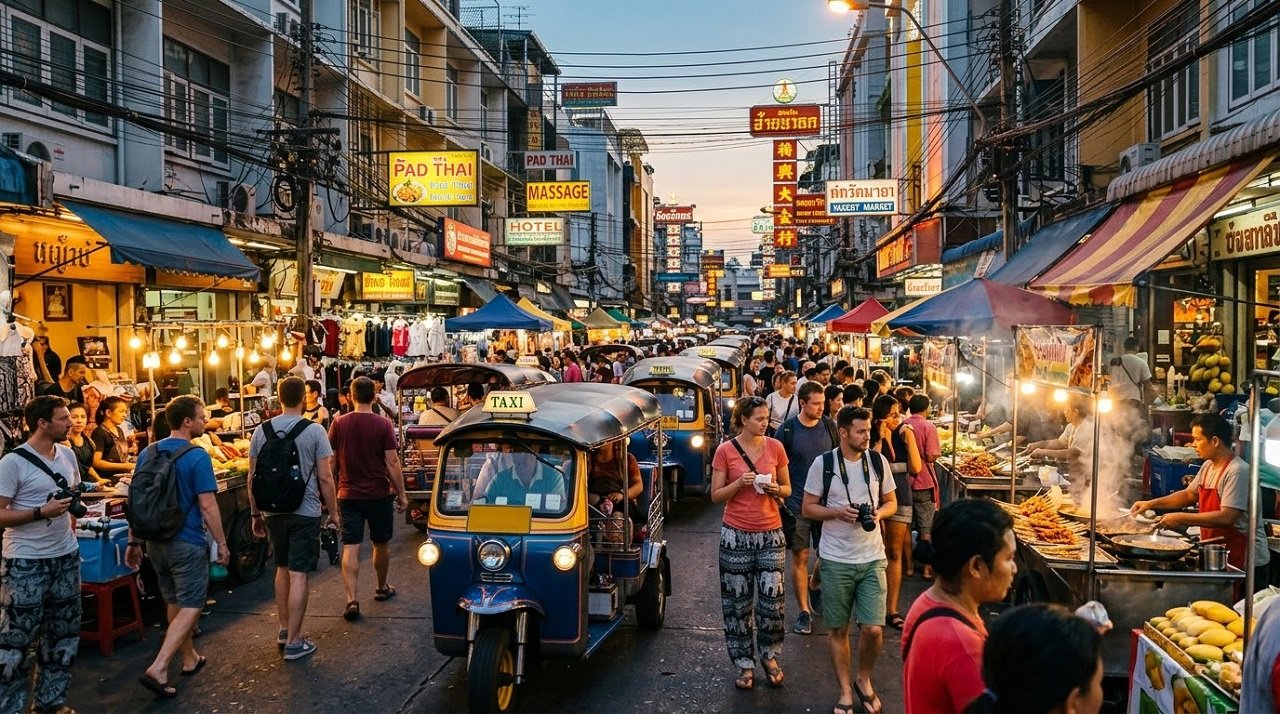
Bangkok ranks as the world’s top scam hotspot in 2026, with a risk score 21% higher than Paris. Common scams include tuk-tuk gem shop detours, jet ski rental damage claims in Phuket, and Grand Palace closure redirects.
In Bali, common scams include money changers with rigged calculators, temple donation schemes requiring inflated purchases, and motorbike rental damage claims. In Vietnam, shoe-shine scams (polishing shoes without asking, then demanding payment) and cyclo drivers quoting per-minute rather than per-trip prices are frequent.
Europe
Paris is known for the gold ring scam, the bracelet scam at Sacré-Cœur, and petition scammers who distract you while accomplices pickpocket. Rome has gladiator photo scams at the Colosseum (costumed men pose, then demand €20–50) and restaurant menu tricks with hidden charges. Barcelona has three-card monte on La Rambla and fake police who ask to inspect your wallet for counterfeit bills. Prague is known for currency exchange scams and taxi meter manipulation.
The Americas
In Buenos Aires, the “mustard scam” involves someone squirting a substance on you, then a “helpful” stranger assists in cleaning while an accomplice steals your belongings. In Rio de Janeiro, common scams include fake police and distraction theft on beaches.
The Pattern Behind the Specifics
The specific scams change by country, but the structure is consistent. A distraction is created. Trust is established quickly. Payment is demanded before you have time to think. Recognizing the pattern is more useful than memorizing a list of tricks.
The Prevention Framework
The strategies below work regardless of destination or scam type.
Before You Book
- Book through established platforms that offer payment protection. Avoid paying outside the platform.
- Verify the property or business exists. Use reverse image search for accommodation photos and check the address on a map.
- Check the URL. Look for minor discrepancies, unfamiliar payment gateways, or missing HTTPS encryption.
- Pay by credit card where possible. Credit cards offer stronger fraud protection than debit cards or bank transfers.
While You Travel
- Use licensed transport. Agree on a price before getting in, or confirm the meter is running.
- Keep valuables secure. Use zipped bags, internal pockets, and RFID-blocking wallets where appropriate.
- Use ATMs inside banks or secure businesses. Avoid street-side machines and shield your PIN.
- Stay alert in crowded places. Landmarks, markets, and public transport are high-risk for distraction theft.
- Decline unsolicited help or gifts. If a stranger offers something for free, assume there is a condition attached.
Digital Hygiene
- Avoid public Wi-Fi for sensitive transactions. Use mobile data or a VPN if you need to access banking or booking accounts.
- Do not overshare on social media. Posting your real-time location tells potential thieves where you are and when your accommodation is empty.
- Enable two-factor authentication on email, banking, and booking accounts. If a password is compromised, 2FA is the second barrier.
What to Do If You Get Scammed
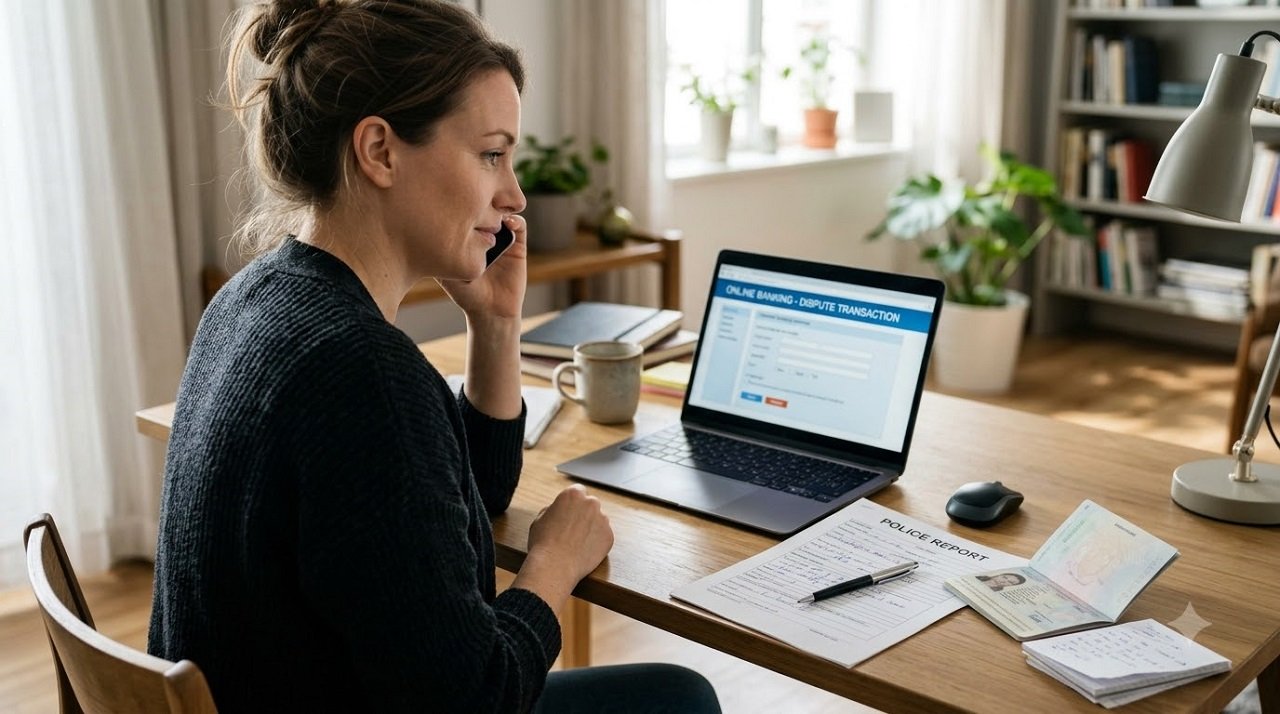
If you realize you have been scammed, act quickly. The first hour matters most.
1. Stop the payment if possible. Contact your bank or credit card provider immediately. If you paid by credit card, you may be able to dispute the charge.
2. Report to local police. A police report is often required for insurance claims and chargeback disputes. Get a copy.
3. Contact your embassy or consulate if your passport or major documents were stolen.
4. Notify your accommodation or platform. If the scam involved a booking platform, report it. Platforms can sometimes freeze funds or remove fraudulent listings.
5. Document everything. Keep emails, messages, receipts, and any photos related to the transaction. This evidence is essential for disputes.
6. Alert your travel insurance provider if you have coverage that includes fraud or theft protection. If you do not have insurance yet, our guide to what travel insurance actually covers explains which benefits apply to fraud and theft, and which do not.
Conclusion
Travel scams work because they exploit two things: urgency and trust. The urgency is real — travel is expensive, availability feels tight, and people want to lock in a deal. The trust is manufactured — scammers mimic brands you already use, create professional-looking listings, and apply pressure at exactly the right moment.
The defense is not paranoia. It is a small set of habits applied consistently: book through verified channels, pay with protection, keep your valuables secure, and slow down when something feels rushed.
If you remember nothing else from this guide, remember this: if a deal feels too good to be true, or a situation feels rushed, stop. That pause is often the only thing standing between you and a scam.
Frequently Asked Questions
What are the most common travel scams?
The most common include fake accommodation listings, fake flight deals, phishing emails pretending to be airlines or hotels, taxi overcharging, ATM skimming, and distraction theft in crowded areas. Booking scams are increasingly common on social media.
How do I avoid getting scammed while traveling?
Book through established platforms, pay by credit card where possible, verify that properties and businesses exist before paying, use licensed transport, keep valuables secure, avoid public Wi-Fi for sensitive transactions, and decline unsolicited help or gifts.
Is it safe to book vacation rentals?
Yes, if you use established platforms with payment protection and verify the listing before paying. Run a reverse image search on photos, check the address on a map, and never wire money directly to a host outside the platform.
What should I do if I get scammed abroad?
Contact your bank or card provider immediately to try to stop or dispute the payment. Report to local police and get a copy of the report. Contact your embassy if documents were stolen. Document everything and notify your travel insurance provider if you have coverage.
Sources
- McAfee. 1 in 3 Travelers Have Faced a Travel Scam as Rising Costs Create New Opportunities for Fraud. Published May 19, 2026. 38% encountered a scam; 41% lost money; 48% of those lost over $500; 90% feel booking pressure; Tripadvisor impersonated at 3x rate of other platforms. https://www.mcafee.com/en-us/newsroom/press-releases/2026/1-in-3-travelers-face-travel-scams-as-rising-costs-create-new-fraud-opportunities.html
- Bitdefender. Top Summer Travel Scams For 2026. Published June 30, 2026. 34% noticed more scams on social media; 70% distrust promotional emails; fake accommodation and flight deals; phishing emails; WhatsApp verification scams. https://www.bitdefender.com/en-us/blog/hotforsecurity/summer-travel-scams-2026
- Vacations & Travel. Holiday hotspots with the highest scam risk in 2026. Published April 16, 2026. Bangkok ranked #1 scam hotspot; top 10 hotspots and monuments; prevention advice. https://www.vacationstravel.com/scam-risk/
- IsThisAScam. Travel Scams Around the World: Country-by-Country Guide. Published May 9, 2026. Country-specific scams in Europe, Southeast Asia, and South America. https://isthisascam.to/ru/blog/scams-targeting-travelers
- Get Cyber Safe (Government of Canada). Phishing scams you’re more likely to encounter when travelling. Published July 14, 2025. Verify senders; book through trusted sites; pay by credit card. https://www.getcybersafe.gc.ca/en/blogs/phishing-scams-youre-more-likely-encounter-when-travelling
- Europol. A Guide to Cybersafe Holidays. Published July 9, 2025. Book directly or through reputable sites; check reviews; pay via credit card or secure site. https://www.europol.europa.eu/publications-events/publications/guide-to-cybersafe-holidays
- Smartraveller (Australian Government). Scams that affect travellers. Published July 17, 2026. Licensed taxis; menu checks; visa scams. https://www.smartraveller.gov.au/before-you-go/safety/scams
- Mastercard. Unpack these cybersecurity tips for a stress-free vacation. Published November 2, 2024. Secure Wi-Fi; avoid oversharing on social media. https://newsroom.mastercard.com